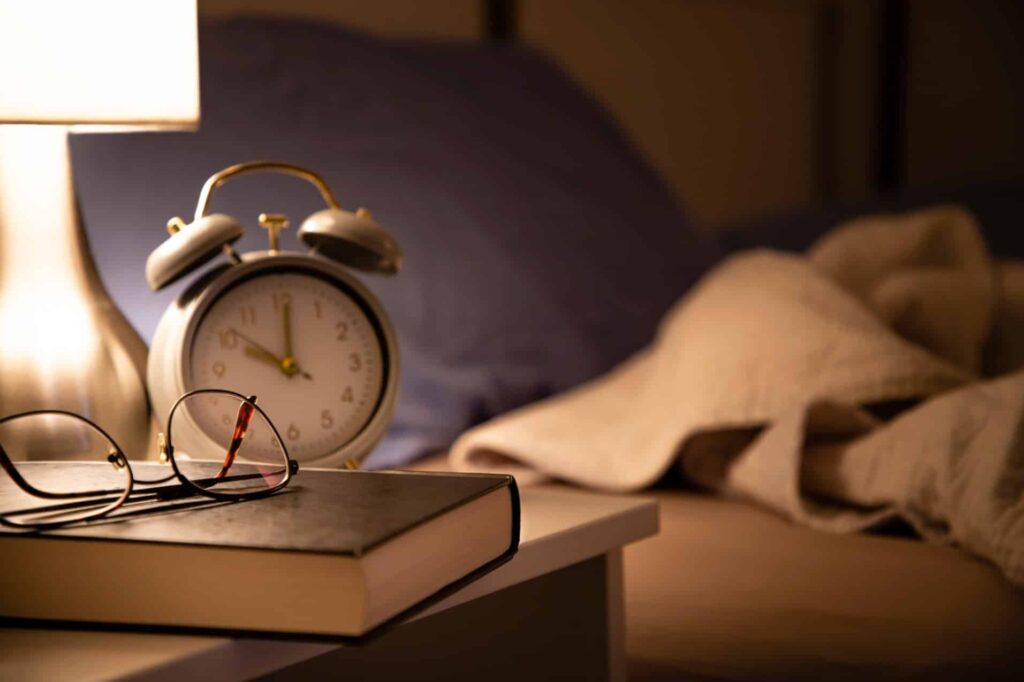
Sleep Hygiene
Sleep: The Foundation We Can’t Ignore
If there is one area of prevention that has consumed more of my attention than almost any other, it is sleep.
Why?
Because sleep is when much of the brain’s maintenance and repair work appears to occur. During sleep, the brain clears waste products, consolidates memories, regulates hormones, and supports countless processes that contribute to long-term cognitive health.
The challenge is that many of us think we’re sleeping well when we’re not.
So, without further a-do- do yourself a favor and invest in an OURA Ring. It is truly worth every penny and guides me daily!
You Can’t Improve What You Don’t Measure
One of the very first things I did after learning I was APOE4/4 was purchase an Oura Ring.
Before wearing it, I judged my sleep the way most people do: by how I felt the next morning. If I wasn’t exhausted, I assumed everything was fine.
The data told a different story.
For the first time, I could see how much deep sleep and REM sleep I was getting, how often I was waking up, what my resting heart rate was doing overnight, and how well my body was recovering.
More importantly, I could see how my daily choices affected those numbers.
Alcohol affected my sleep.
Late meals affected my sleep.
Stress affected my sleep.
Certain supplements helped.
Others didn’t.
The Oura Ring turned sleep from a mystery into something I could measure and improve.
If I could recommend one investment for anyone serious about AD prevention, a sleep tracker would be near the top of the list.
Sleep Hygiene Matters
While there is no perfect formula, several habits consistently improve sleep quality for many people:
- Maintain a consistent bedtime and wake time.
- Get natural sunlight exposure early in the day.
- Exercise regularly, but avoid intense workouts too close to bedtime.
- Keep the bedroom cool, dark, and quiet.
- Limit bright screens before bed.
- Avoid large meals late in the evening.
- Limit or (better) eliminate alcohol.
- Reduce caffeine later in the day. (I stop caffeine after 12:00 noon)
- Create a relaxing bedtime routine.
I’ve tried and tested various supplements to extend my deep sleep. At present, I average an hour of deep sleep and use melatonin. I also read a few chapters before I turn the lights out, using a small red light reading lamp I ordered here.
Alcohol Was a Bigger Problem Than I Realized
For many years, two glasses of red wine in the evening were part of my routine.
I considered it my reward after a busy day.
Once I began tracking my sleep, I could clearly see the impact.
Even when alcohol seemed to help me fall asleep, it often reduced sleep quality, disrupted recovery, and negatively affected key sleep metrics.
That realization made it so much easier to give up my nightly wine habit.
Today, I very rarely have a drink, and I don’t miss it!
Don’t Overlook Sleep Apnea
Sometimes poor sleep has an underlying medical issue.
Sleep apnea deserves special attention because it is both common and frequently undiagnosed.
Many people assume sleep apnea only affects individuals who are overweight or who snore loudly. That is simply not true.
Sleep apnea can occur in people of normal weight and may go unnoticed for years.
When breathing repeatedly stops during sleep, oxygen levels can drop, sleep becomes fragmented, and the brain may never receive the restorative sleep it needs.
Common warning signs include:
- Loud snoring
- Gasping or choking during sleep
- Excessive daytime fatigue
- Morning headaches
- Frequent nighttime awakenings
- Poor concentration or memory issues
If you suspect sleep apnea, speak with your healthcare provider and consider a sleep study.
Treating sleep apnea can dramatically improve sleep quality, energy, cardiovascular health, and potentially brain health.
My Sleep Is Still a Work in Progress
If you’re looking for someone who has completely solved sleep, I’m not your person.
Even after years of tracking and experimenting, sleep remains one of my biggest challenges.
Some nights are excellent.
Some nights are disappointing. I guess I simply continue to look for perfection. My Oura average sleep score is 90 – but I’m still chasing that elusive 90 minutes+ of deep sleep! I use an inexpensive but very comfortable Earth Therapeutics silk sleeping mask I purchased at Ulta since early this year and it’s made a difference in how rested I wake up!
For me, sleep is not a passive activity. It is an active part of my prevention strategy.
And if there is one lesson I would pass along, it is this:
Start by measuring.
You may be surprised by what you learn.